Curacao
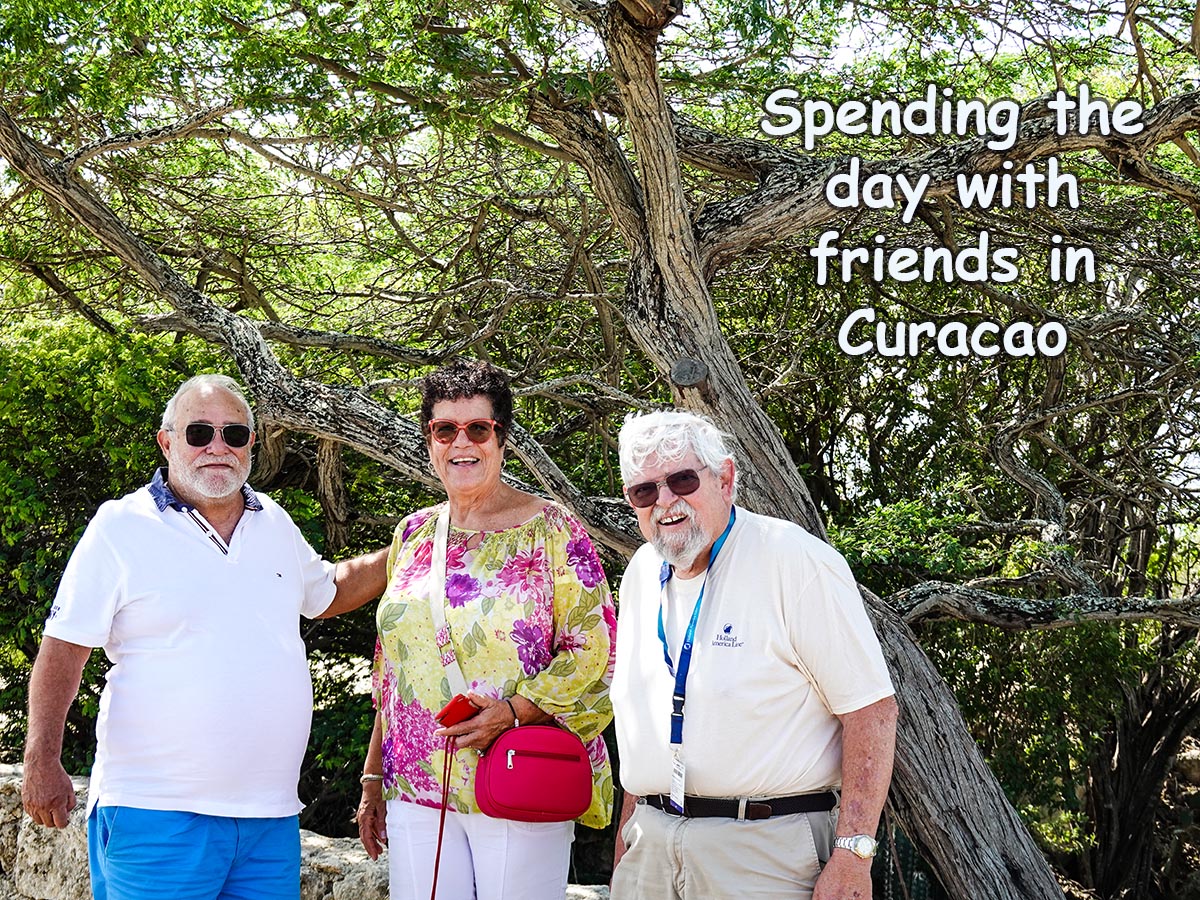
We spent a great day with friends we met on our last cruise. We felt like we had a private look into life on the island. When we met them at the dock, we asked if there was a place where we could rubber tips for our walking stick since the metal tip on Steve’s walking stick had poked through the existing tip. That was one item we did not think to pack. Therefore our first stop was to hardware stores. With Charles’ help, we found a solution that will last us through the trip.
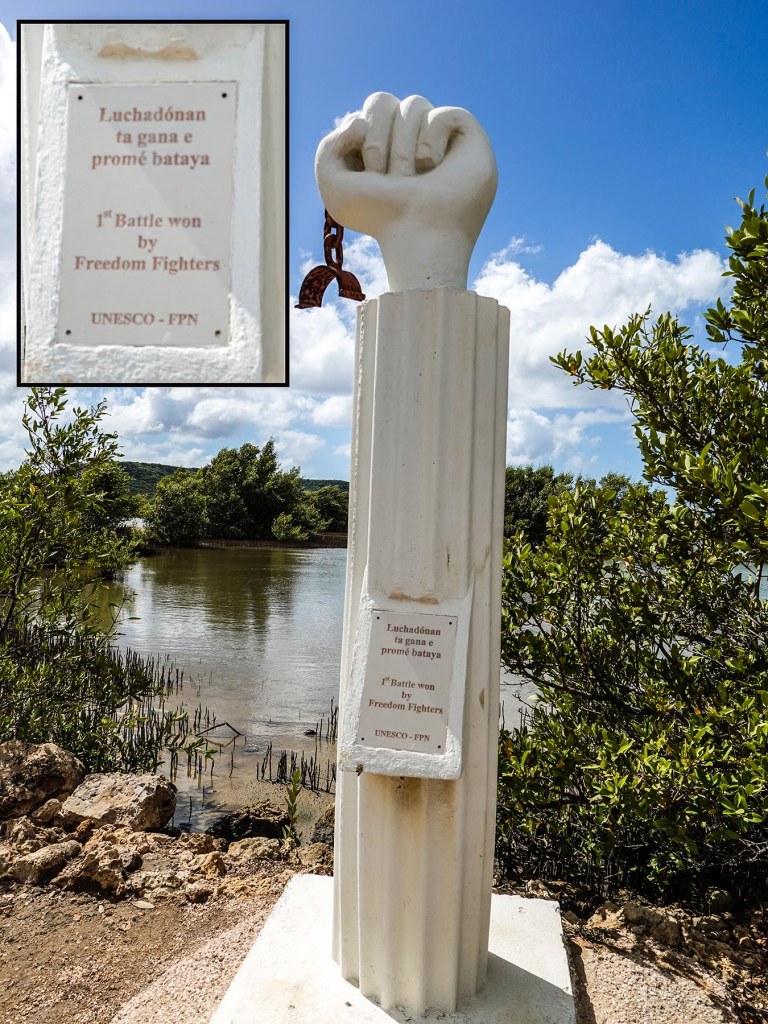
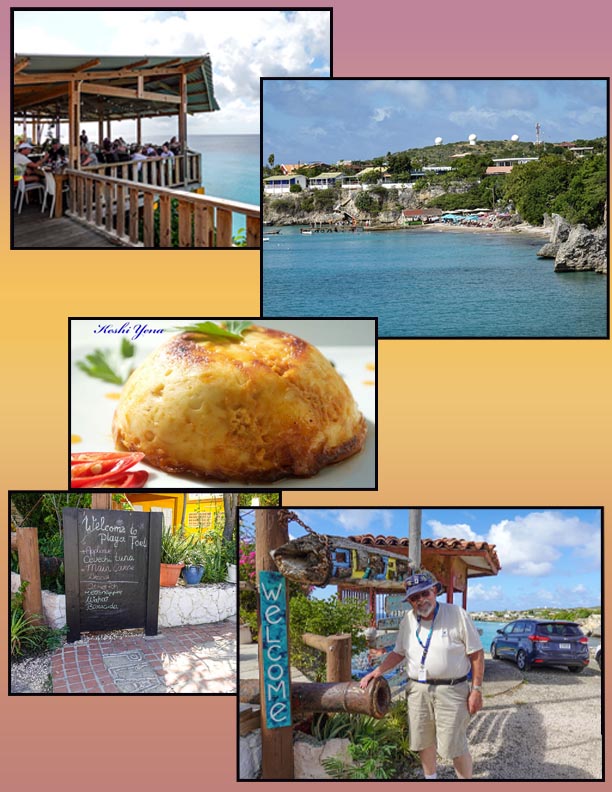
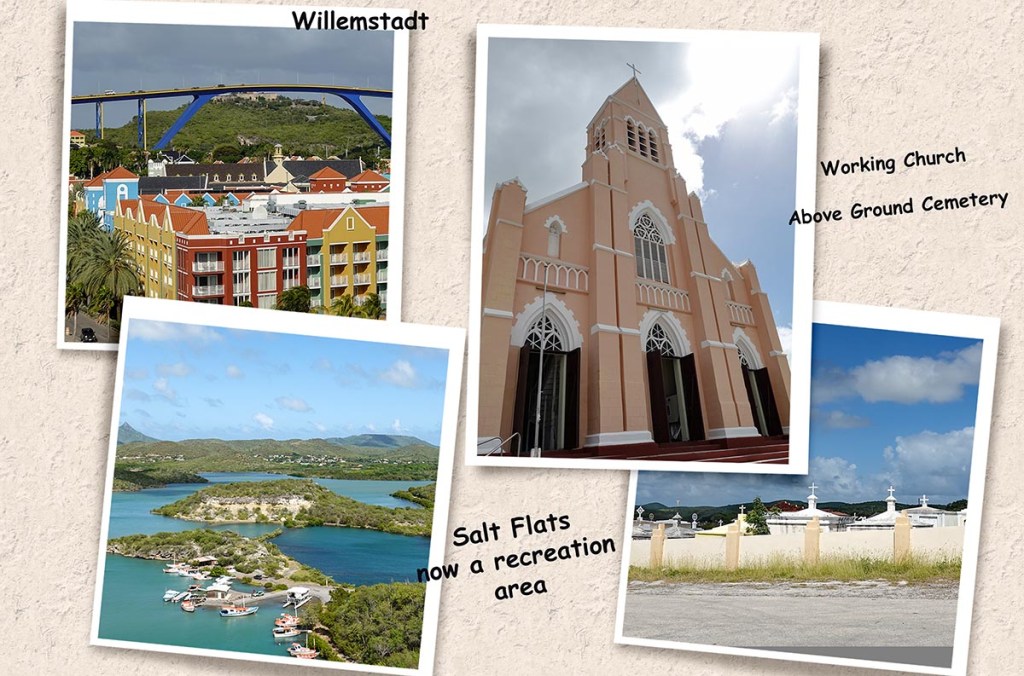
Next, we went to places where tour buses usually do not go. Seeing and hearing about a country from a local’s perspective is always a treat. One of the things we saw was a UNESCO statue commemorating the start of the 1795 slave rebellion. At the UNESCO site, we also saw flamingos. We learned about the salt mining that was so important to the early economic development of Curacao. Salt was trapped in the inland lakes. Large plantations were developed to mine that salt using slave labor. The Plantation houses were built on hills that overlooked the area where the slaves lived and worked. Interestingly, a local dish came from that system, Keshi Yena. Keshi Yena is comprised of spiced beef and chicken and occasionally pork with raisins and that mixture is covered with Edam or similar cheese then baked. Yum!! After I ordered the dish, Vivienne told us the story of how it came about. Originally the dish was made with leftovers from the plantation owner’s table then covered with cheese and baked and given to the slaves.
We also learned that Curacao has a refugee crisis. As many as 20,000 or more people arrive in Curacao illegally. They come from Venezuela, as well as other Caribbean and South American countries.
We went to Westpunt or the western part of the island for lunch. The restaurant, Playa Forti, was a local hangout with a beautiful view of the ocean. As we enjoyed our lunch, several locals climbed the small cliff and jumped into the water. The food was amazing and of course, I ordered the Keshi Yena. Even though Curacao has three official languages: English, Dutch and Papiemento, our waiter spoke only Spanish. Vivienne and Charles speak all three of the official languages but not Spanish. We had a few minutes of confusion but did manage to communicate our lunch orders.
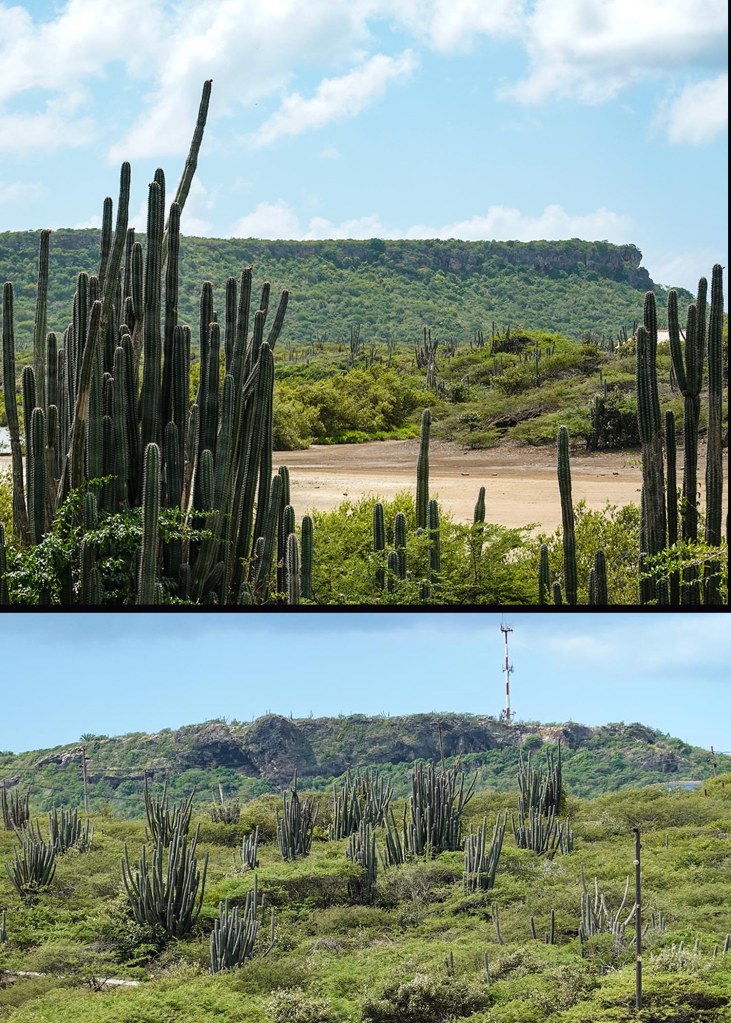
Everyone thinks of the Caribbean as lush tropical paradises with hot humid weather. Curacoa is different. It’s not as humid and always has a breeze. The land is arid and there is cactus growing everywhere. The main industry is tourism.
Granada
But The Cannons Faced The Wrong Way
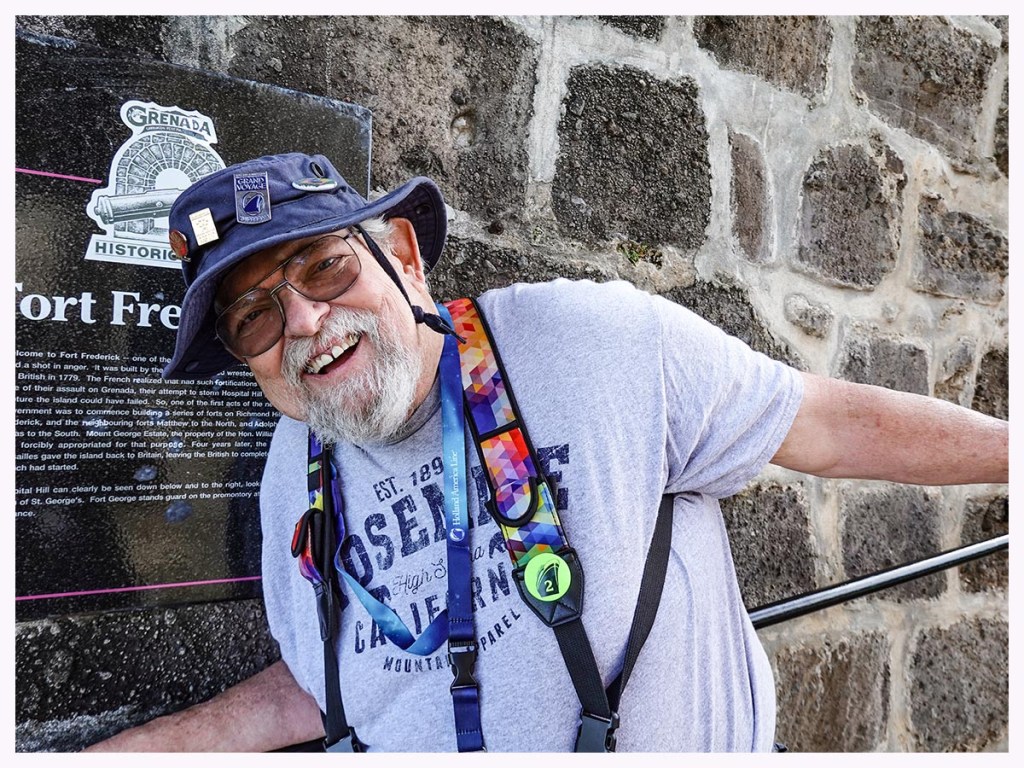
A tour guide can make or break a tour. At Fort Frederick, aka, the “backwards facing fort”, we met Prima Donna. She had an infectious laugh that made you smile. She kept saying “Welcome to my office” as she gestured toward the beautiful view of the sea and the high walls of the fort.
So why is it known as the ” backwards facing fort”? When the French attacked the fort they attacked from inland and not from the sea. Now the French when they constructed the Fort, built it so they could ward off attacks from the interior thereby putting the cannons facing inland. You guessed it, the attack came from the sea.


Rivers Rum Factory
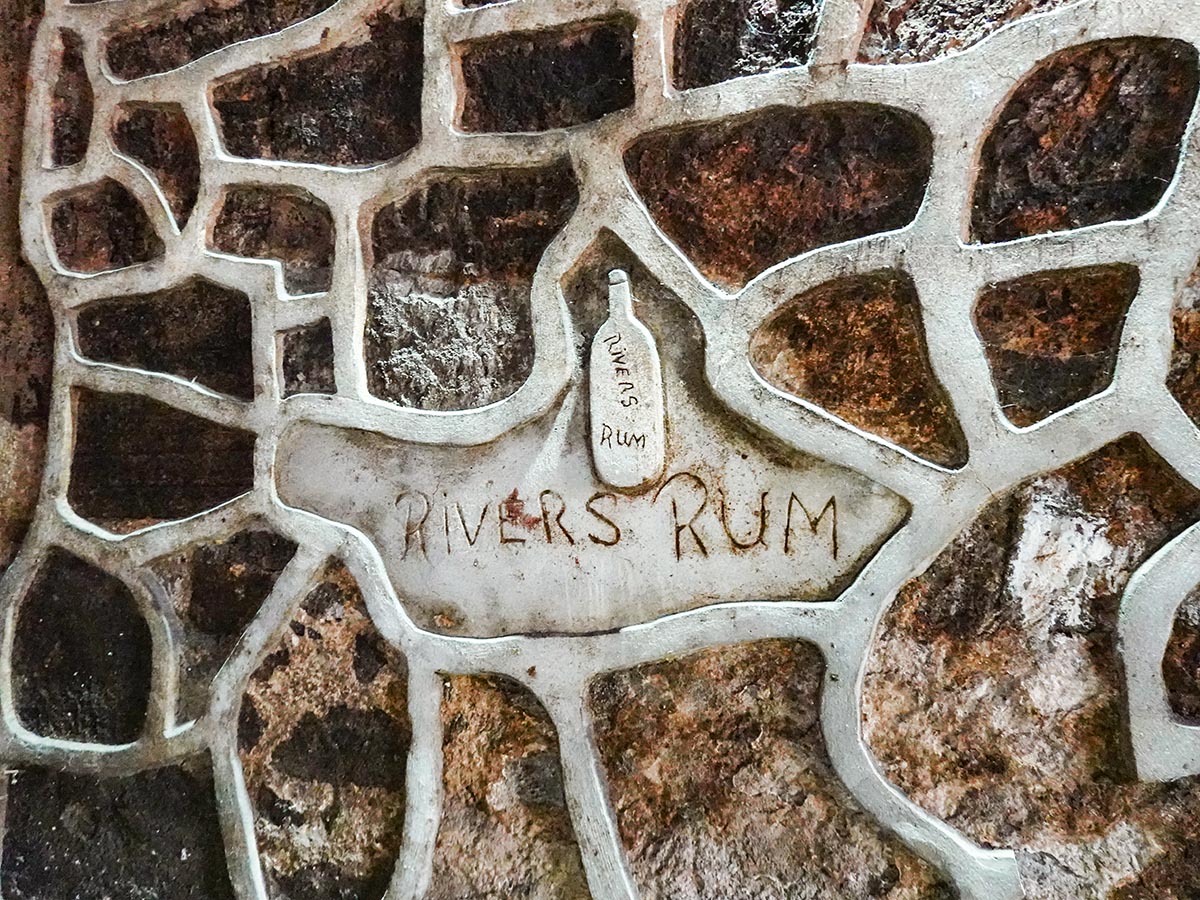
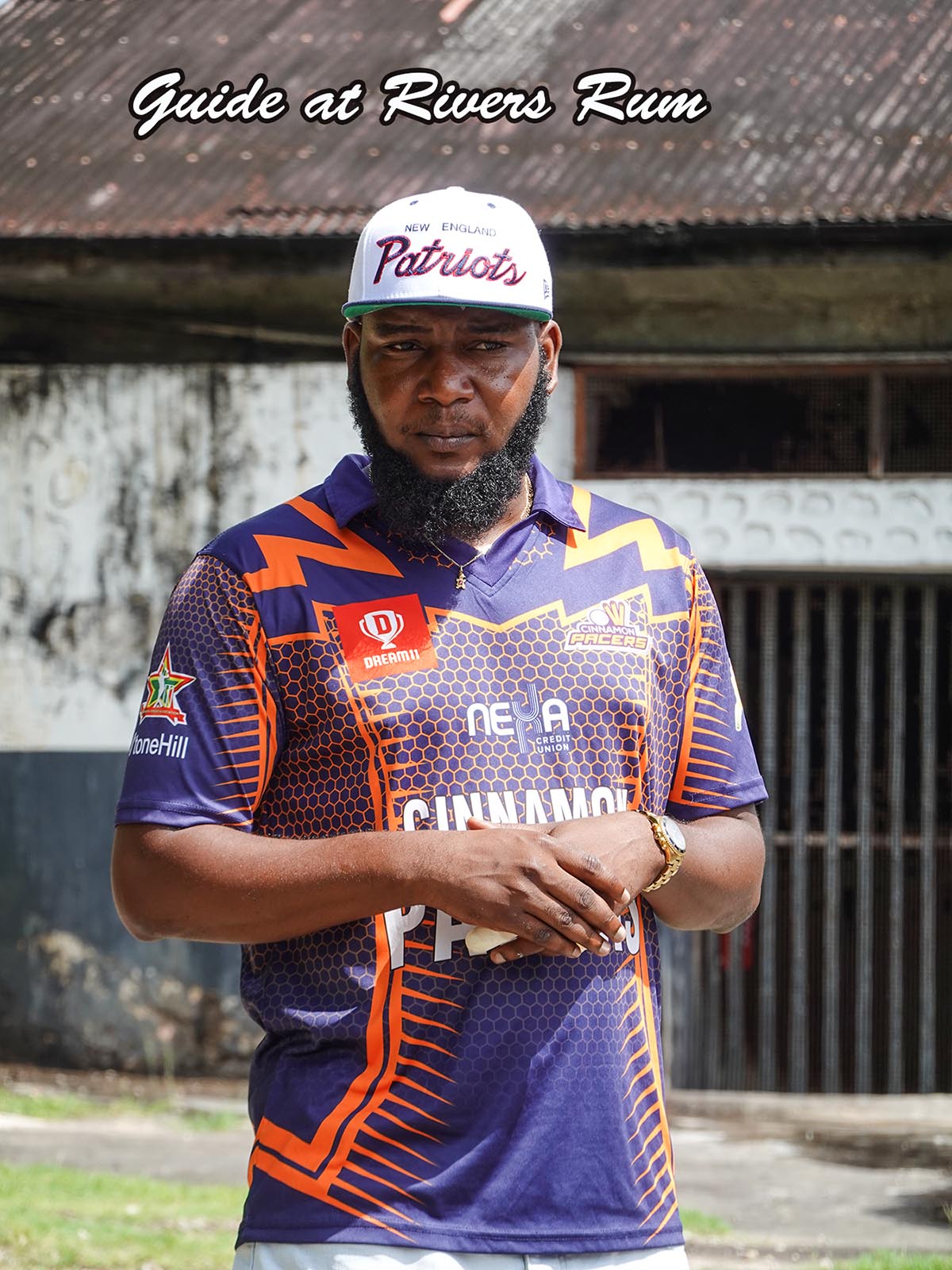
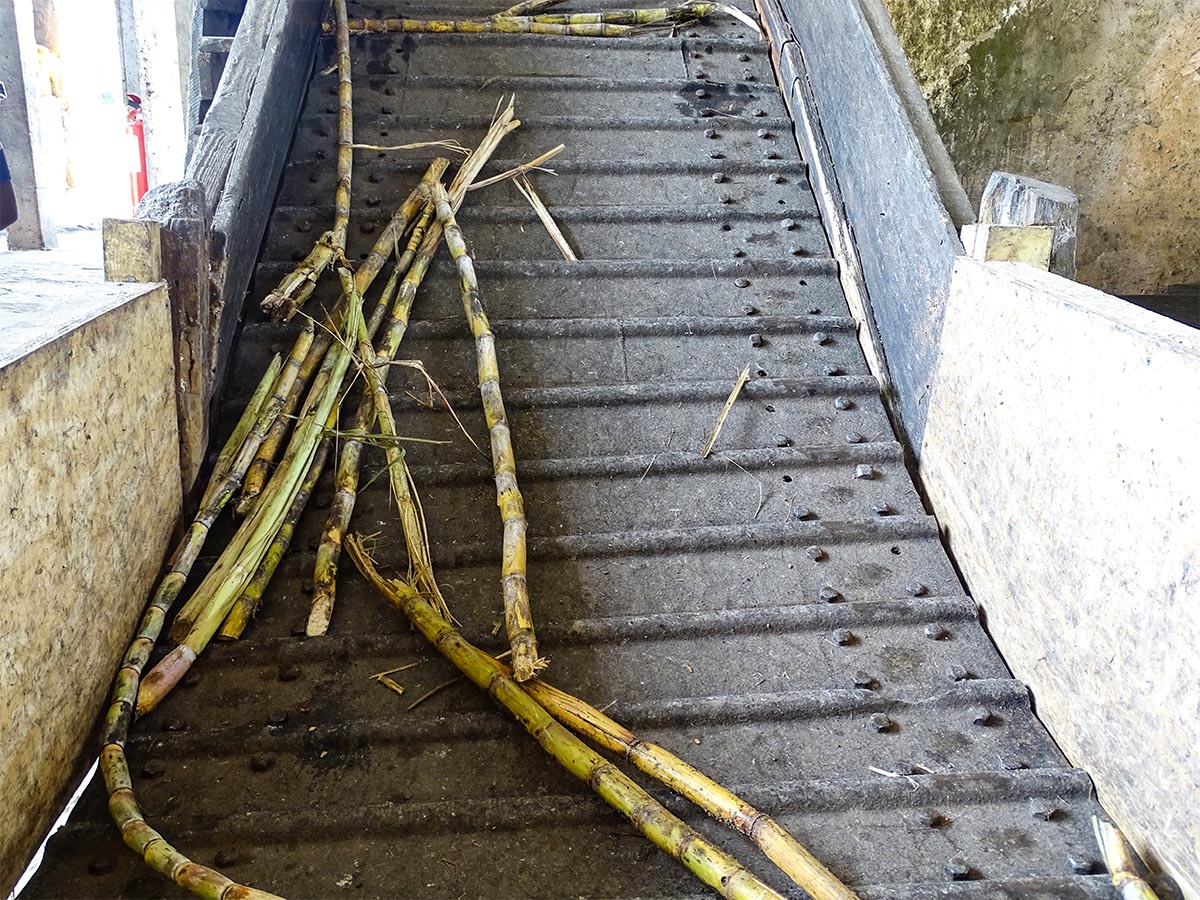
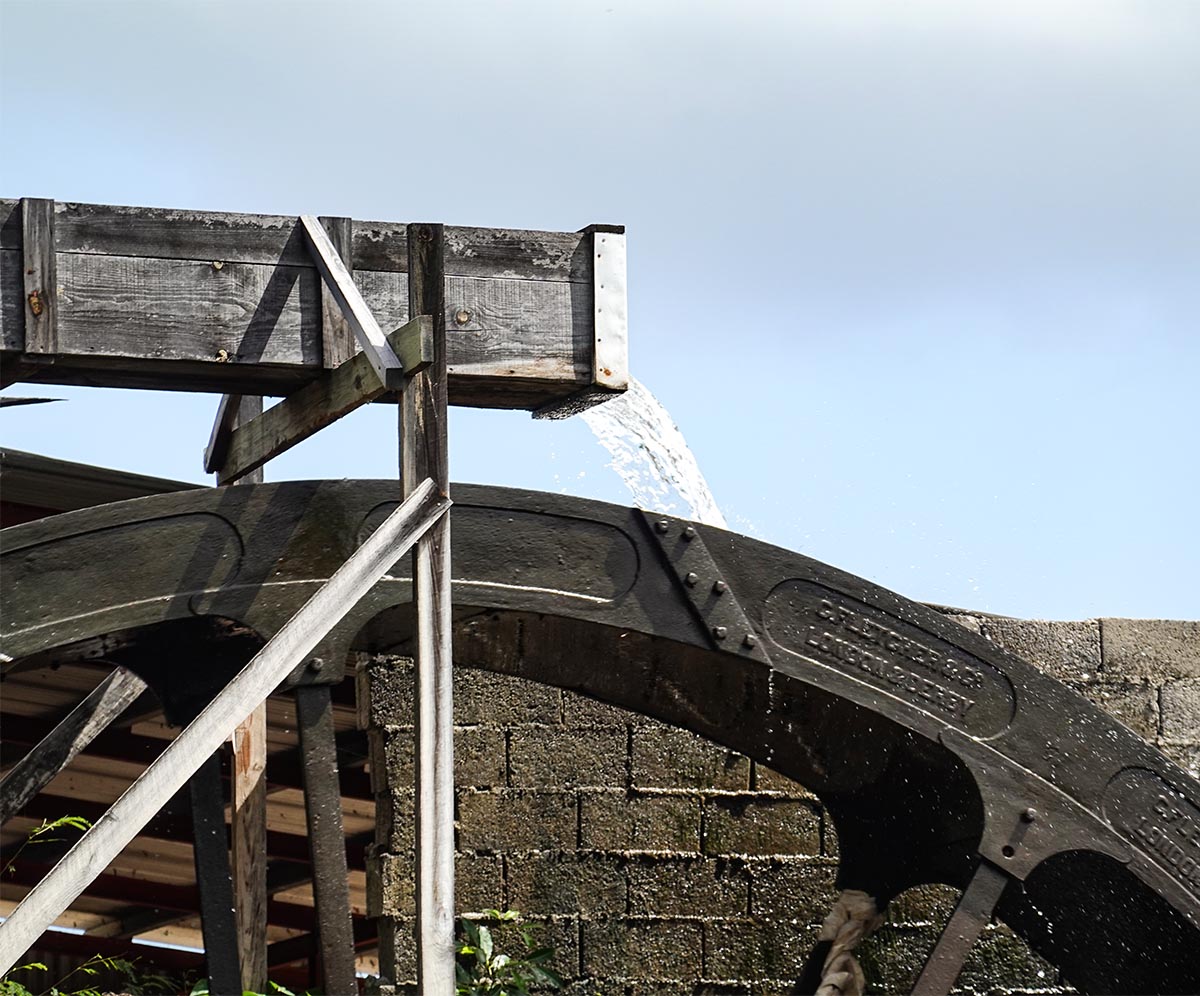
Rivers Rum was established in 1785. Sugar cane is transported on a conveyor belt powered by an 18th C water wheel. The water wheel is the oldest water wheel in Grenada. The rum is fermented using wild yeast for about 10 days. It is distilled in copper pot stills and bottled by hand. The finished product is 69% proof. WOW — they gave us a small cup so we could taste the finished rum I took a sip and handed the rest to Steve. It was very potent. I bet it made a wicked mixed drink!
The factory also had a restaurant where we ate lunch. The food was fantastic.


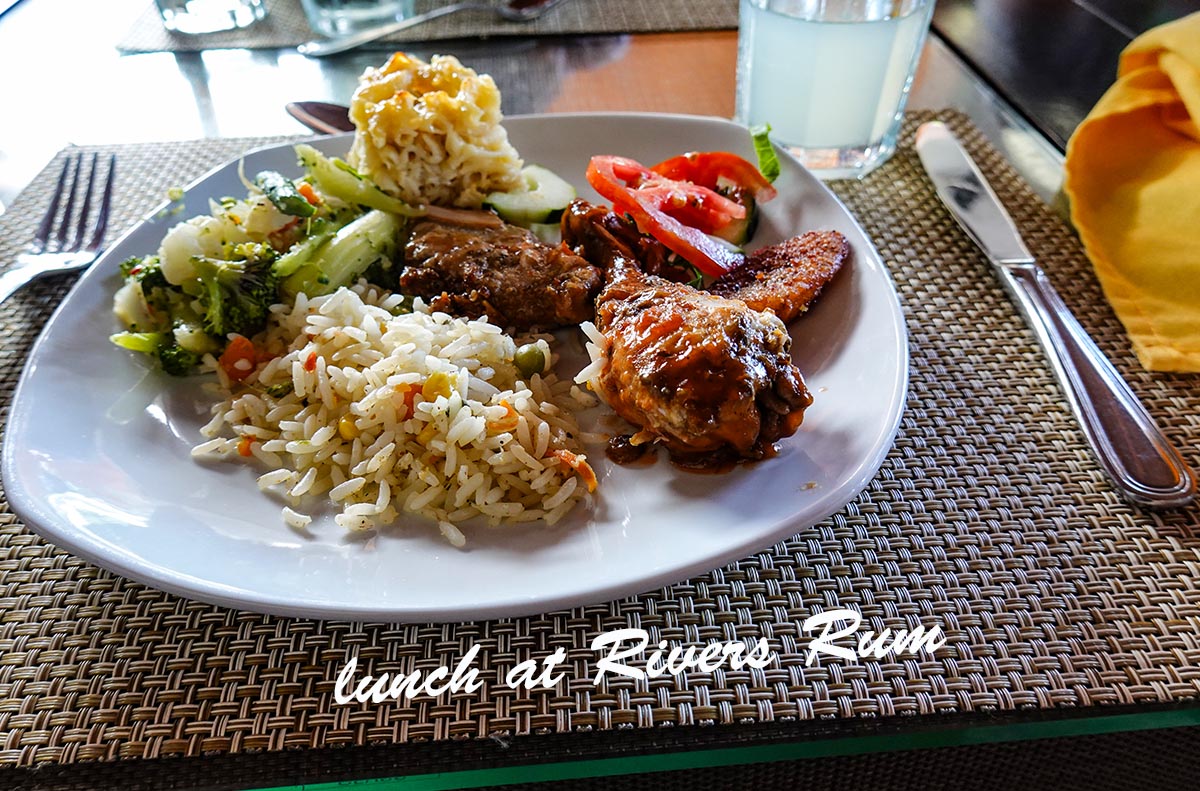
Jouvay Chocolate
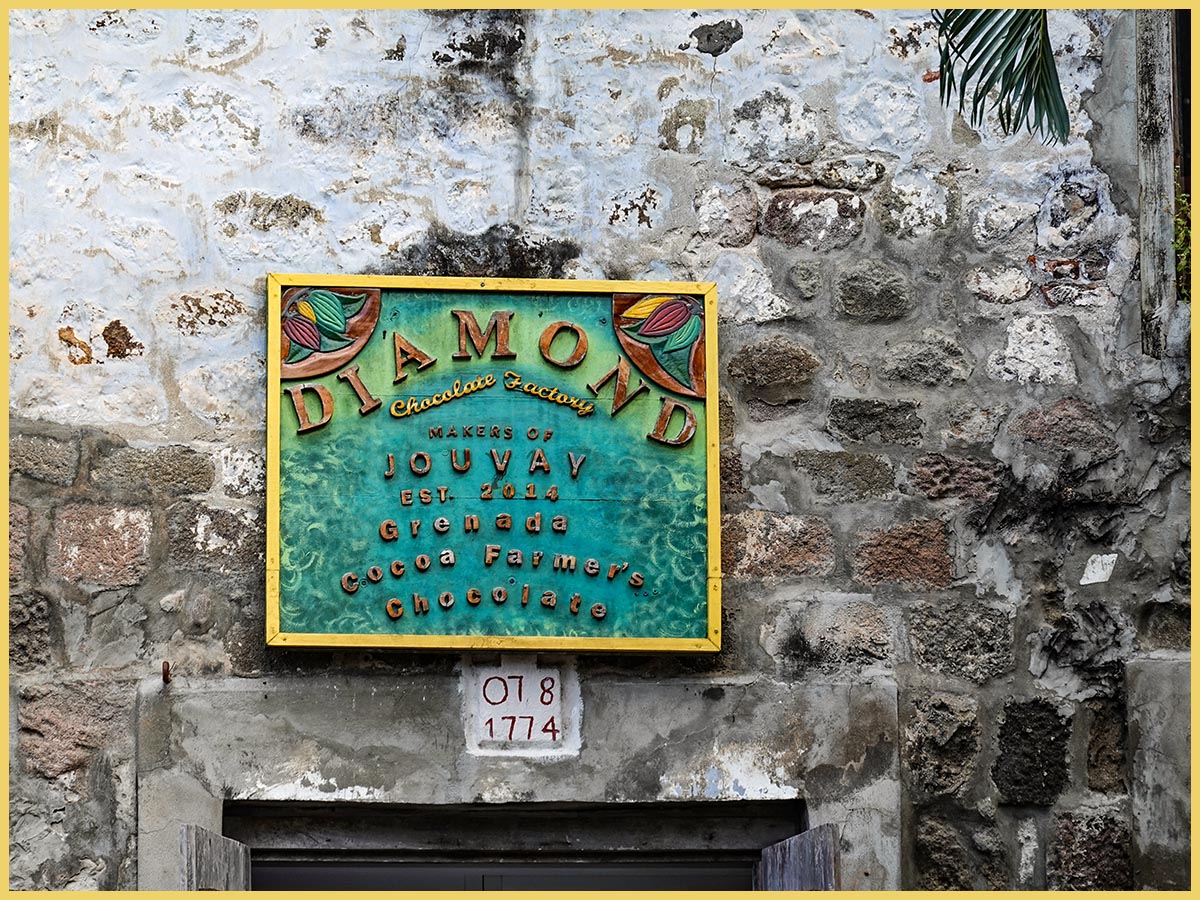
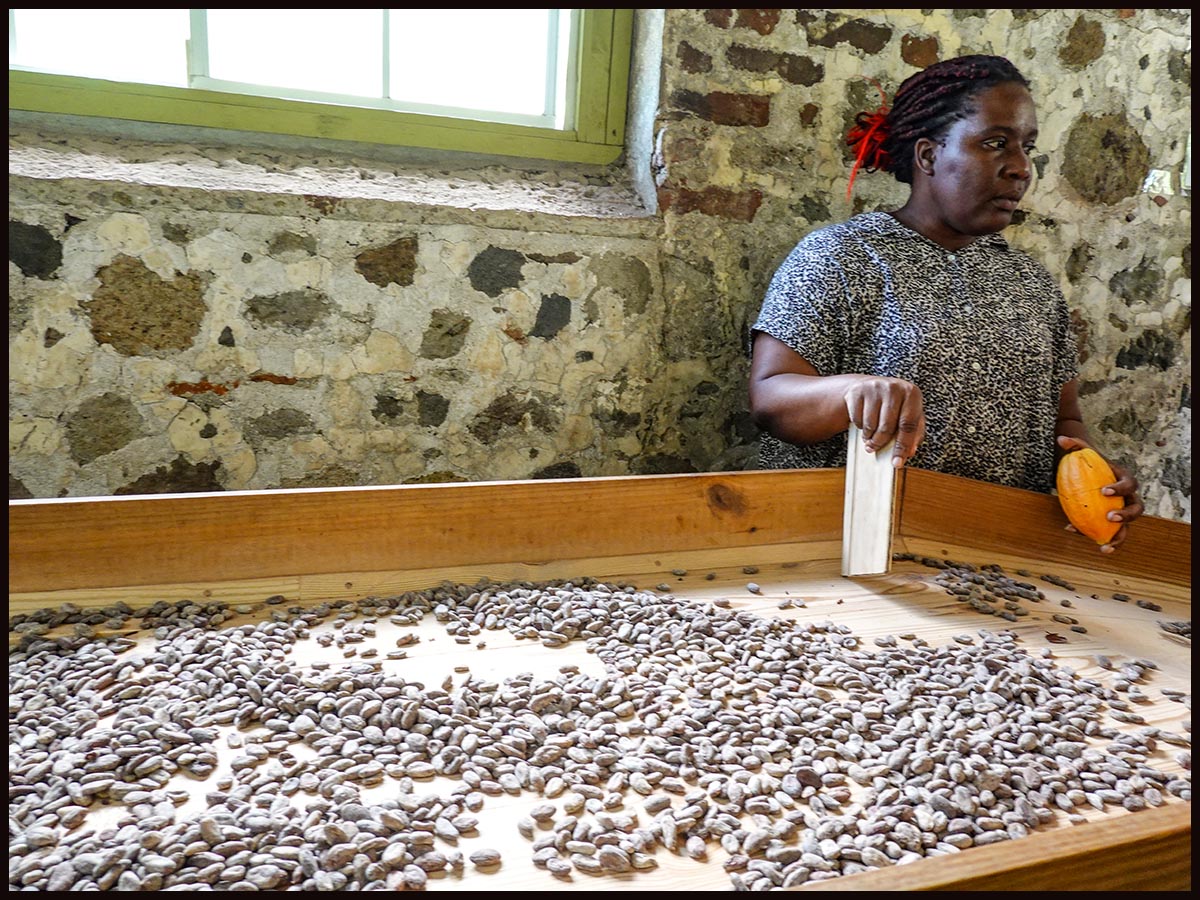
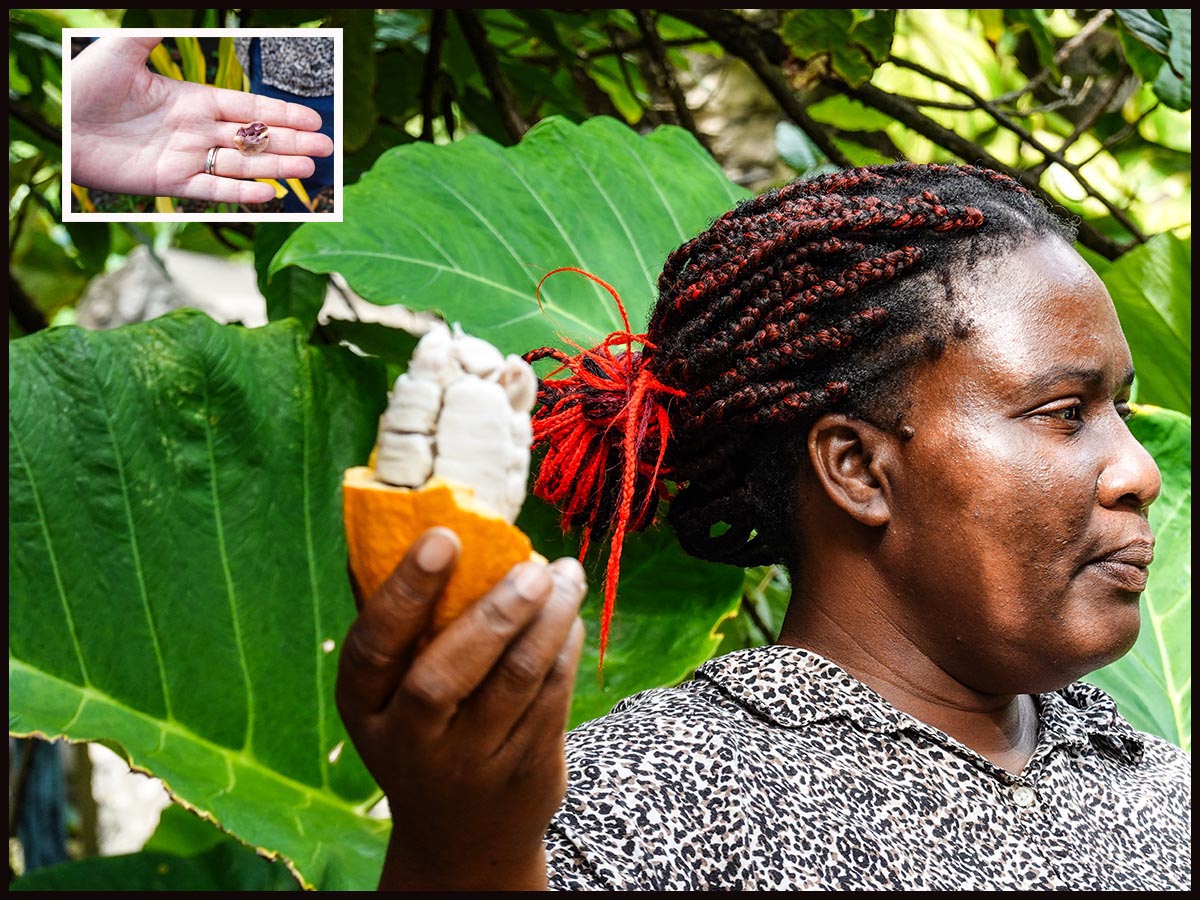
Chocolate! Chocolate! Chocolate! I could have stayed at the chocolate factory all day tasting chocolate. During the tour, I was surprised to find the trees were scattered among the fruit, flower, and spice trees. Cocoa trees need shade which is provided by a canopy of nutmeg trees making the orchard not only colorful but pleasantly cool. Our guide showed us a freshly harvested cocoa bean. The beans are white with a sweet pulp. Once harvested, the beans are then dried over several days, and sorted by size to allow for even roasting. Roasting is then done in small batches. The shells are removed and the bits that remain are nibs which are sold as is. The roasted beans are put through a grinder, mixed with sugar and then put into a refiner to make the chocolate smooth. The mixture is put into another refiner to make it even smoother, then tempered to give the finished product a nice sheen. The result is a delicious chocolate.
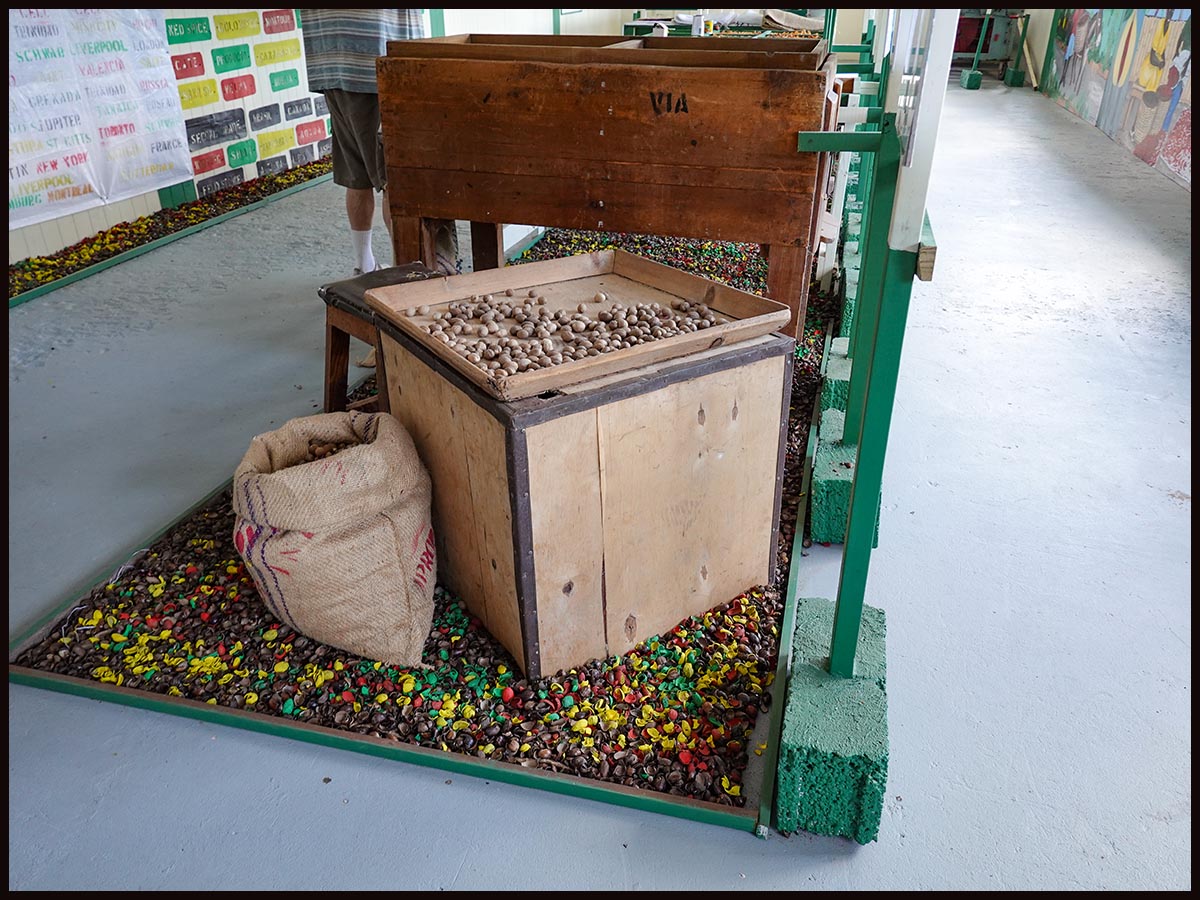
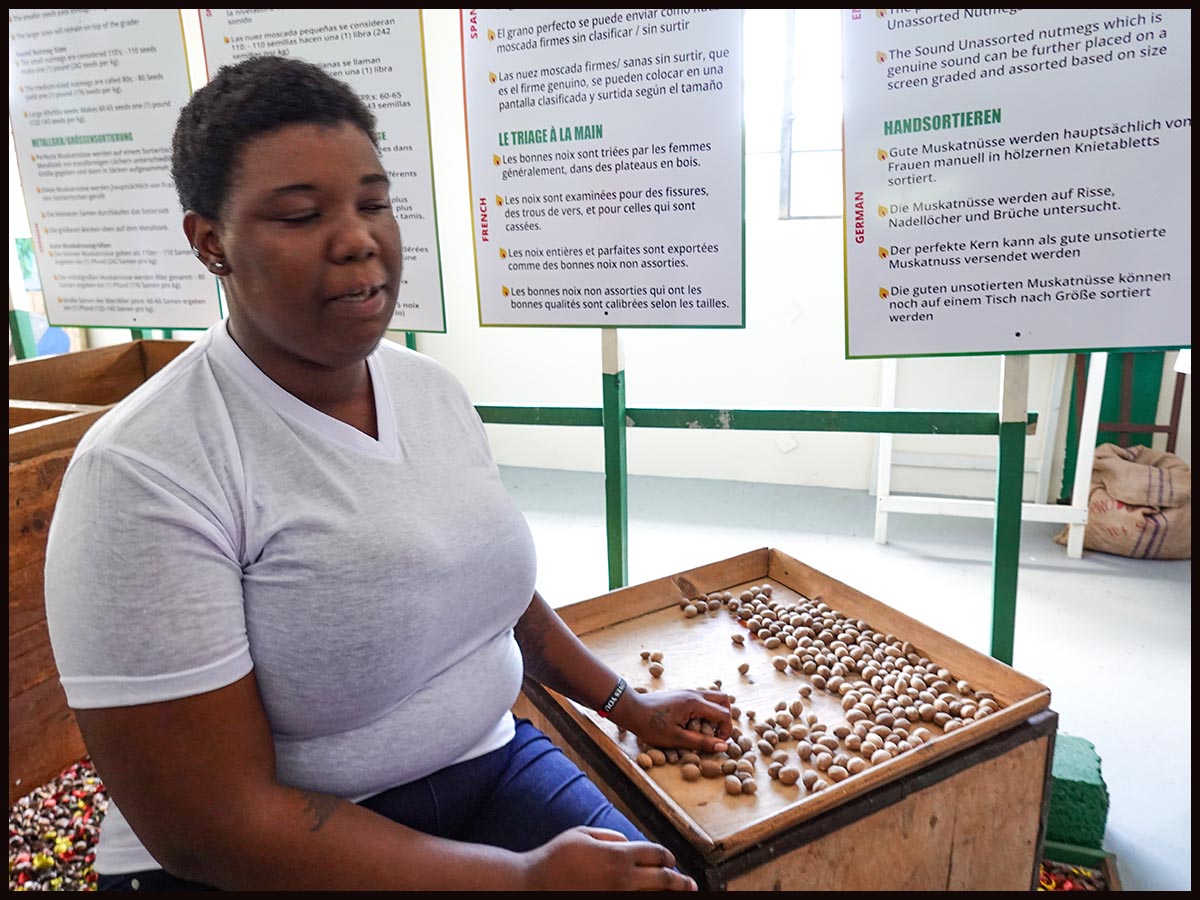

Around the Island
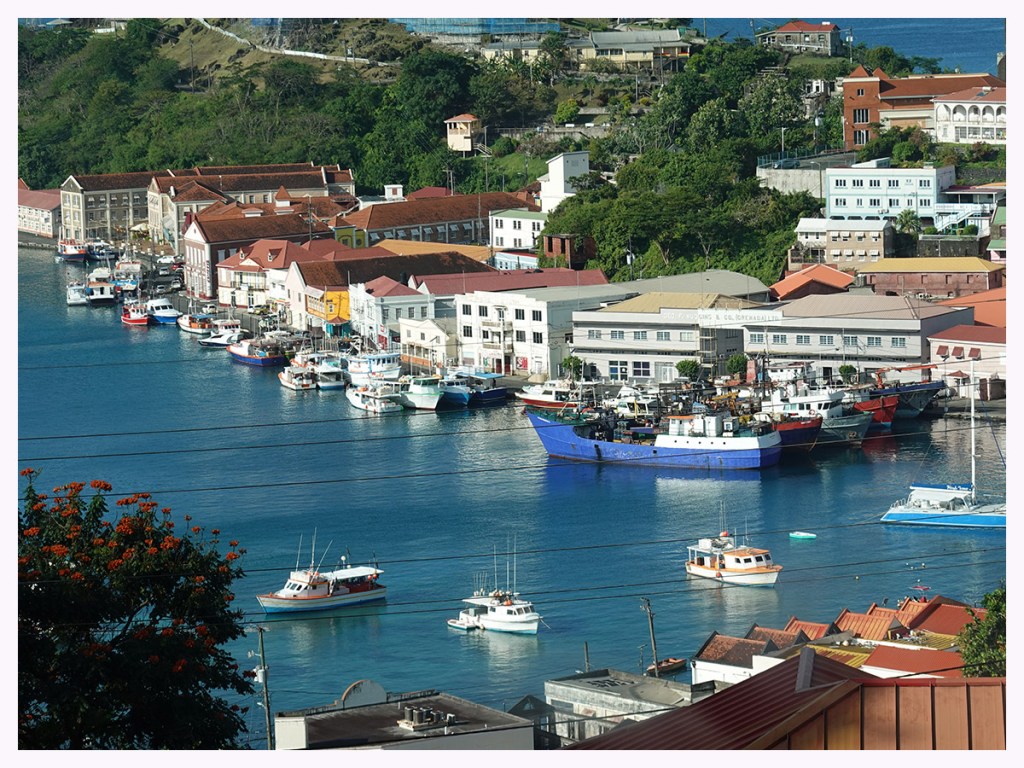
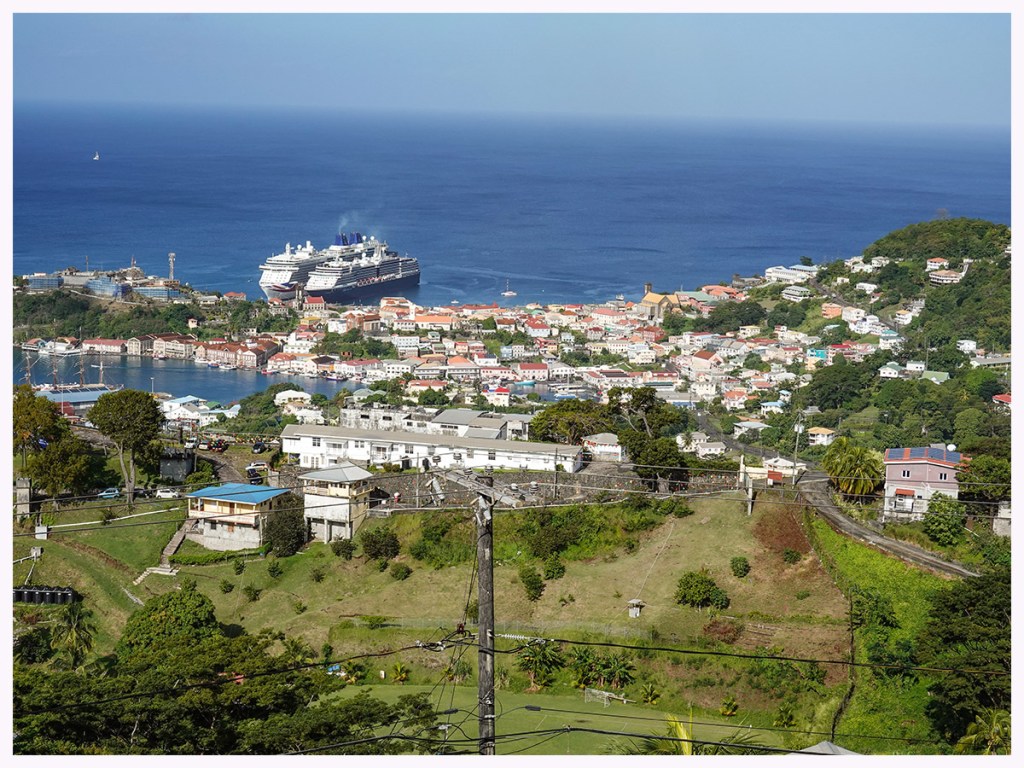
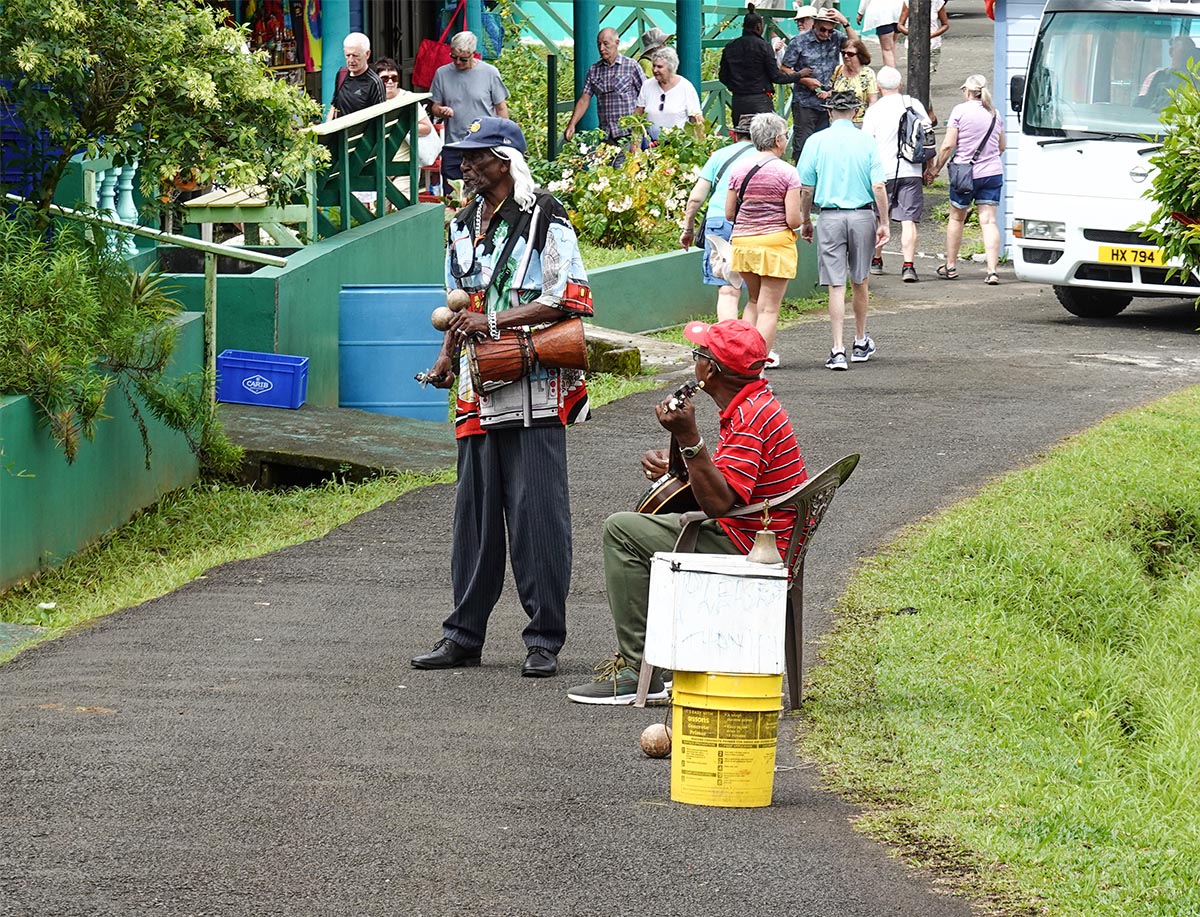
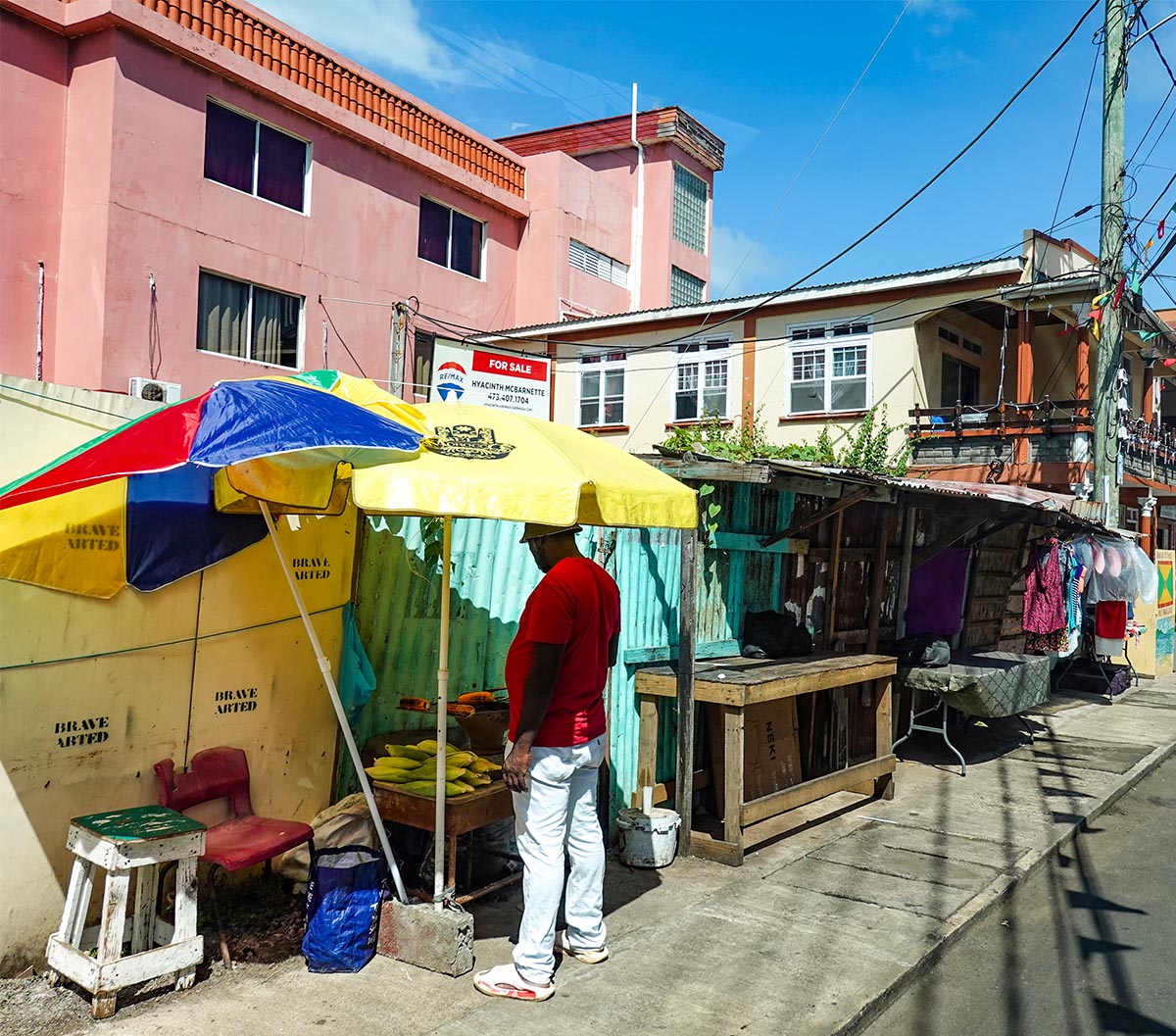
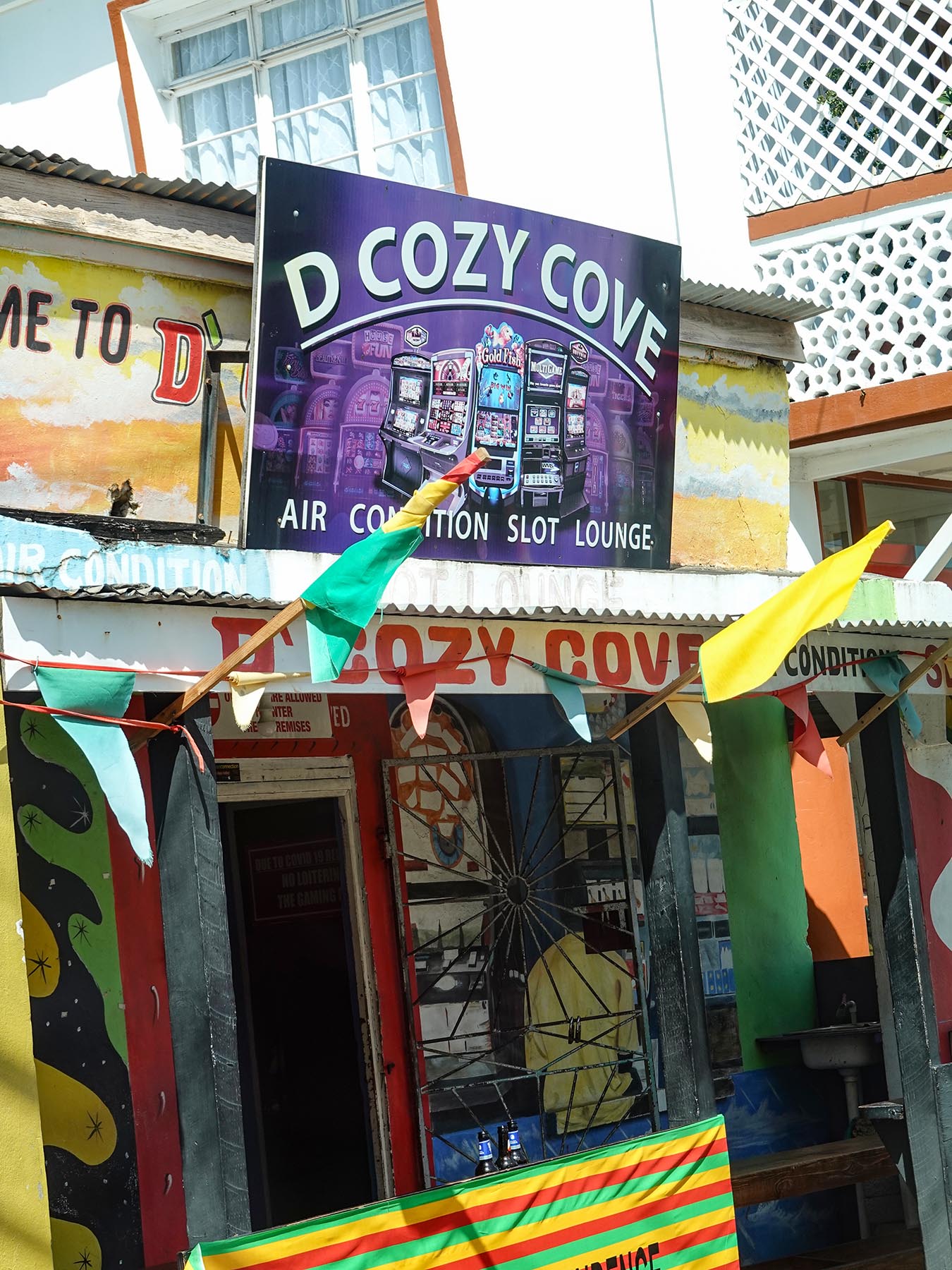
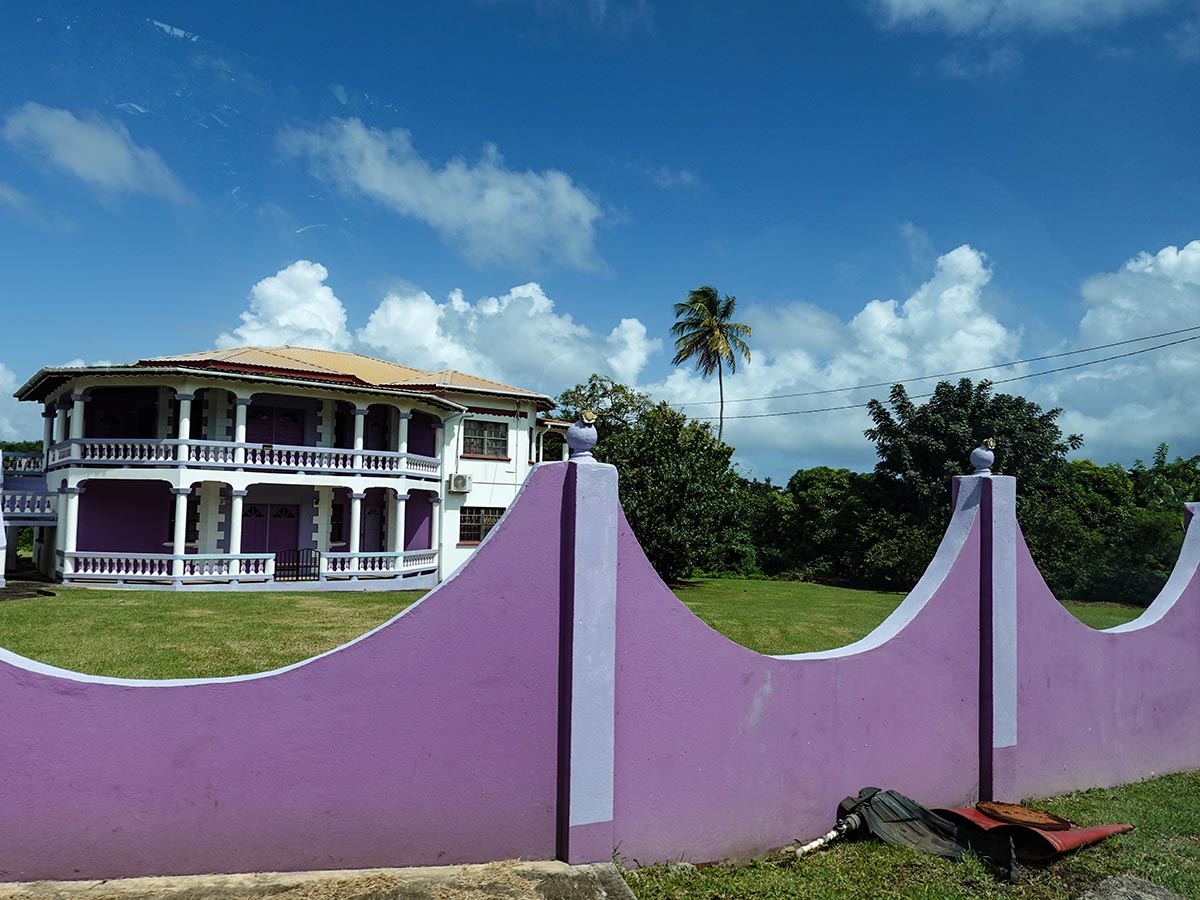
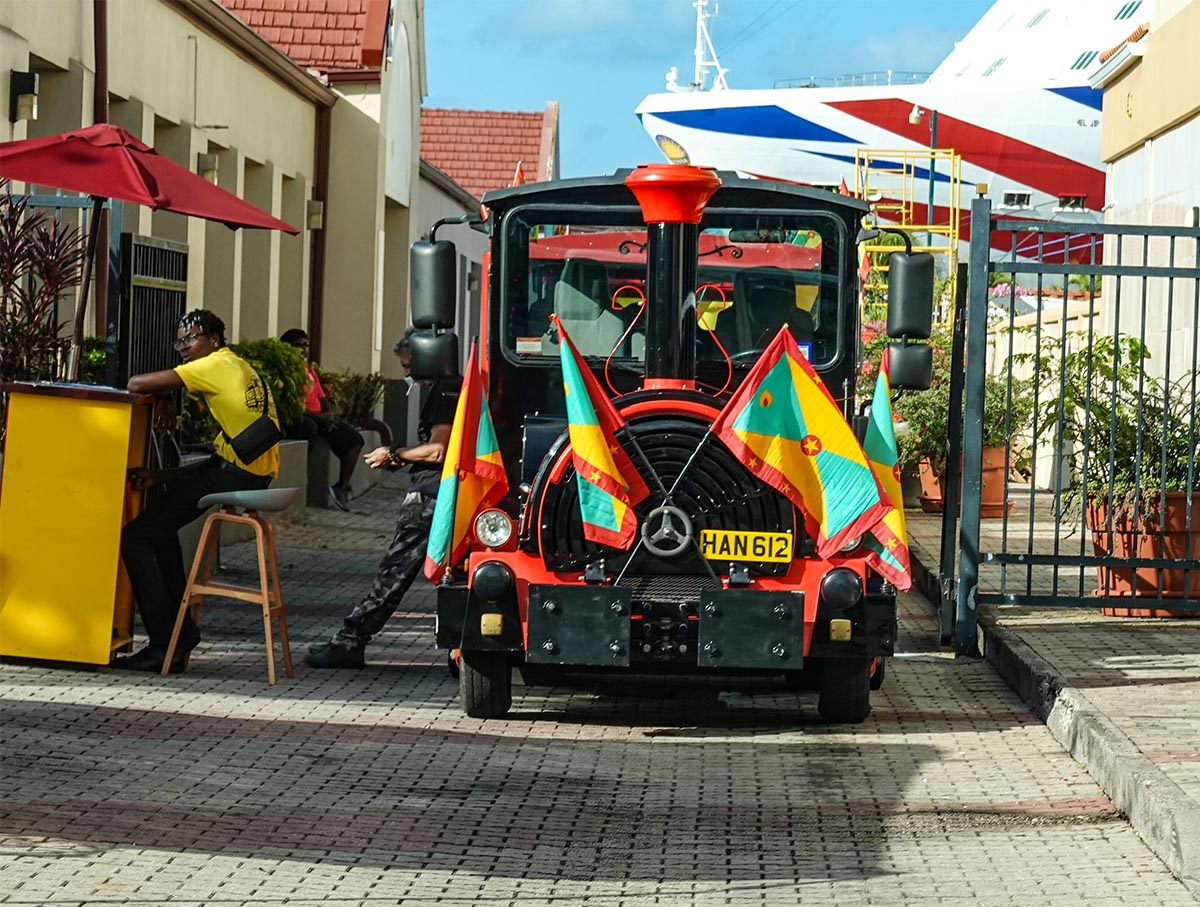
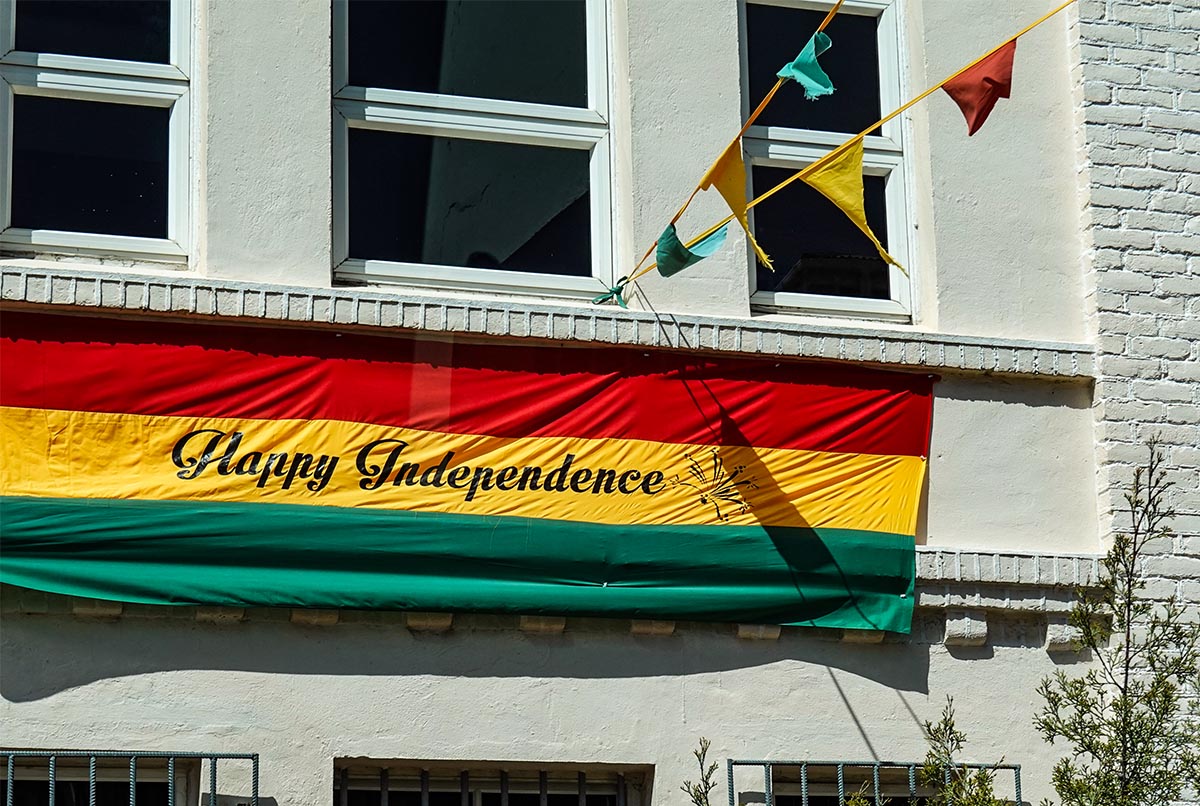
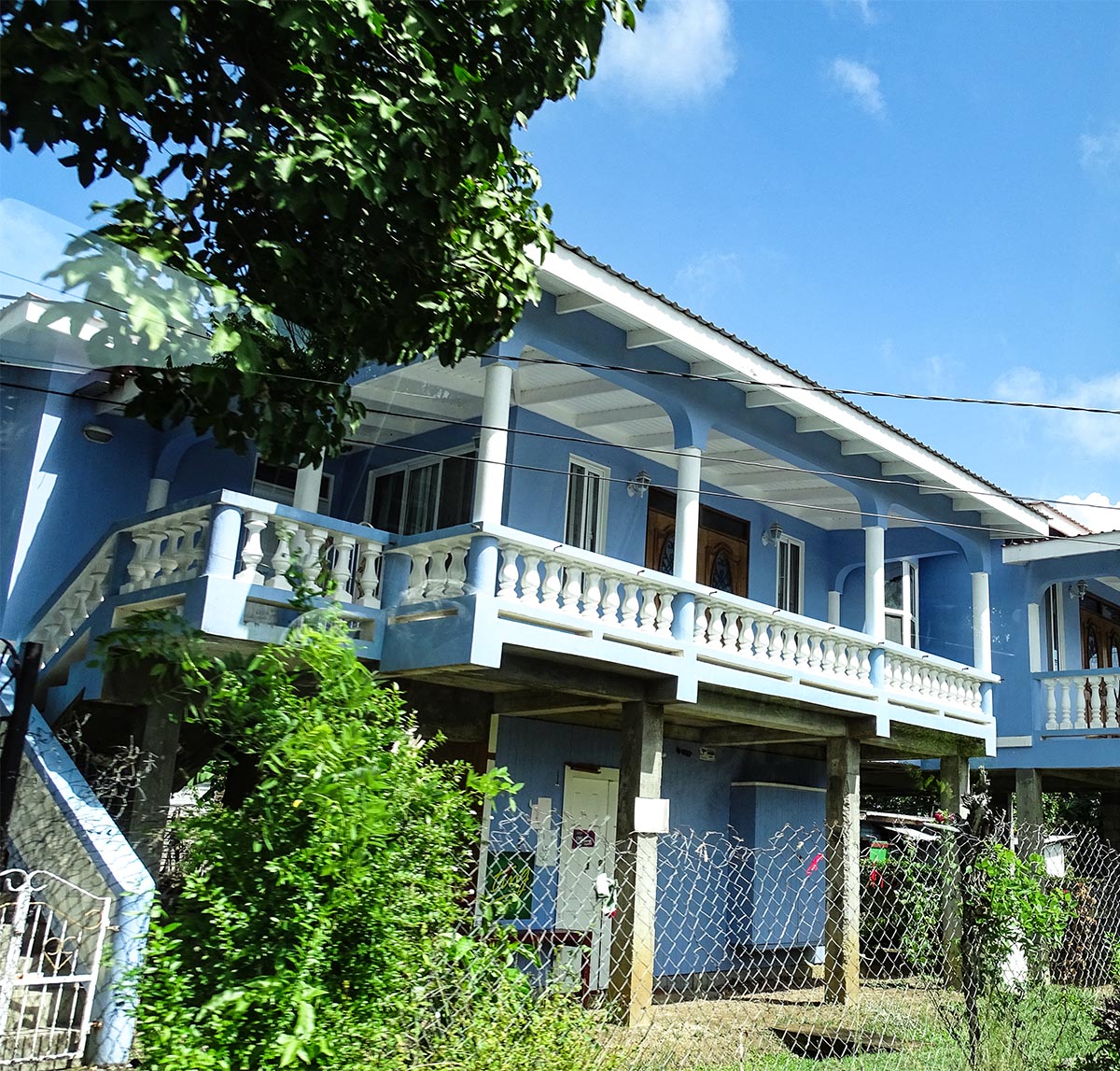
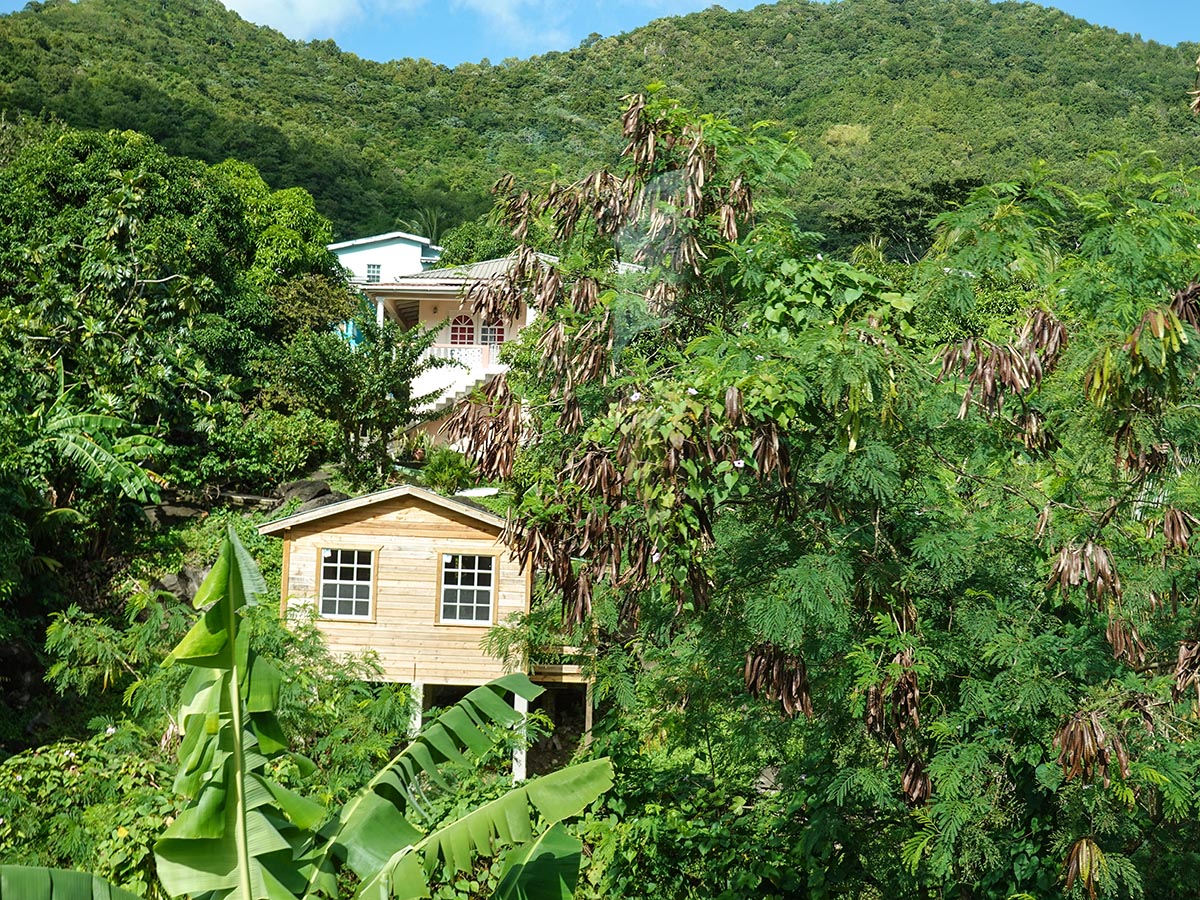
Geographically the island is very hilly with narrow winding roads. The political divisions are parishes separated by rivers. Each parish had several small villages and colorful houses built on the hillside. During our visit, they were getting ready to celebrate their independence from Great Britain. We saw red, yellow, and green banners everywhere.

 Two seniors traveling the world
Leave a comment